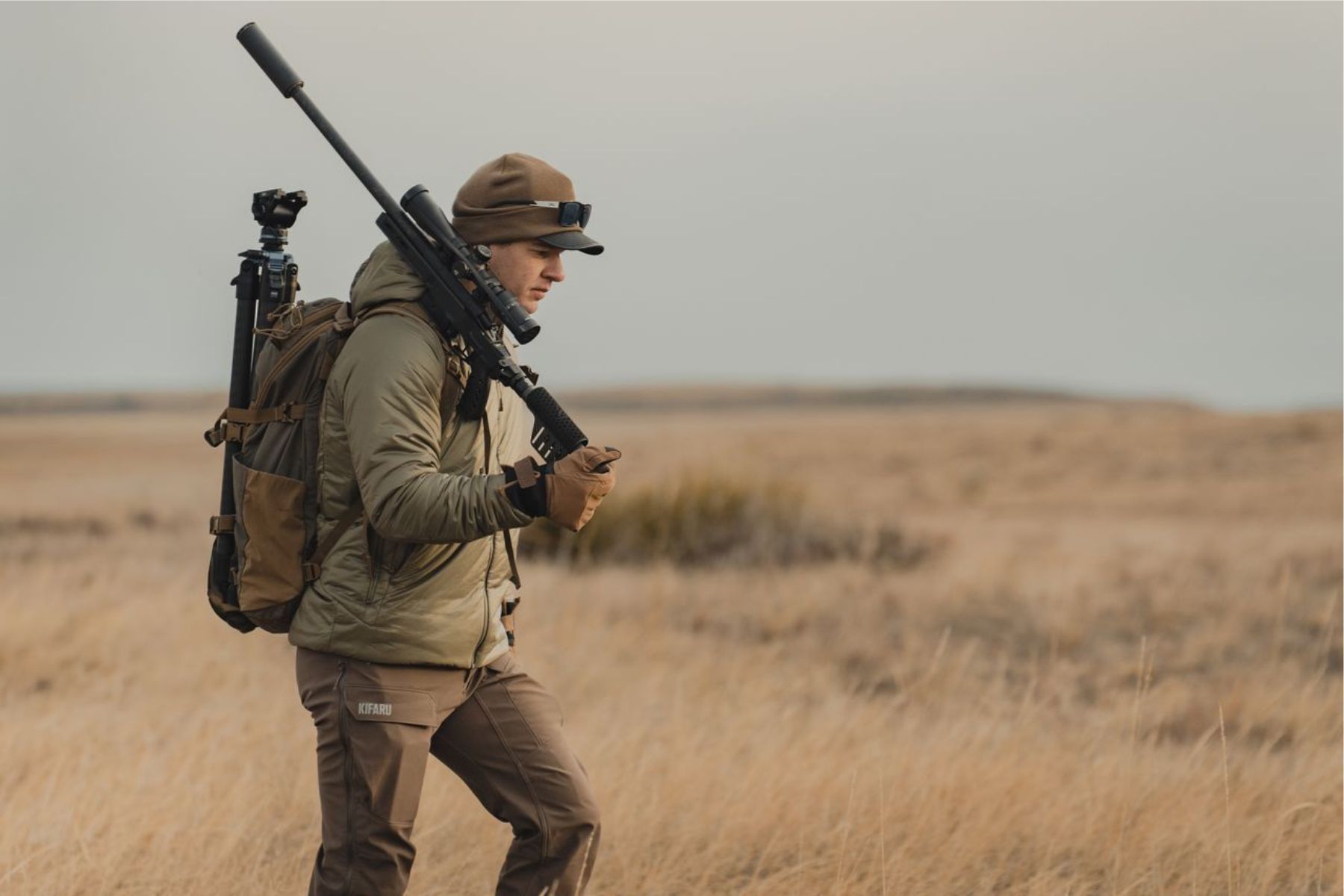
The wind was already pushing across the prairie when the truck doors started opening. Wyoming has a way of making quick decisions for you. You either brought the right gear or you spend the day thinking about the gear you should have brought instead.
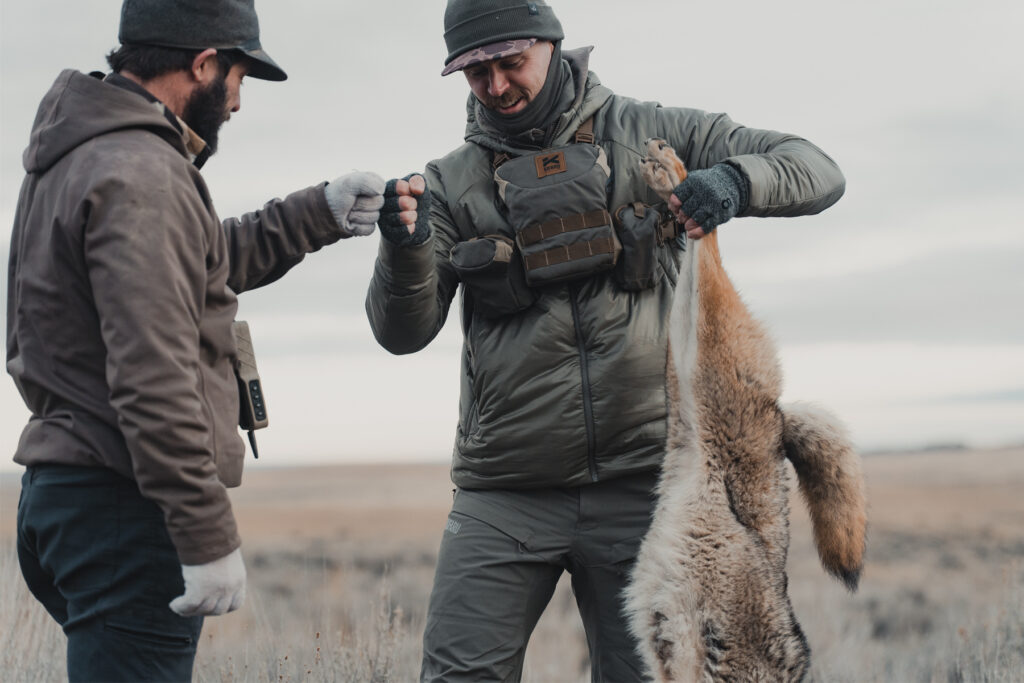
This hunt was built around movement. We were in Wyoming running predators, bouncing from stand to stand, hiking into open country, calling for thirty to forty minutes, then packing up and doing it again. Temperatures floated between roughly 30 and 60 degrees, but the wind never really gave us a break. It was the kind of stop-and-go hunting that exposes clothing weaknesses fast.
We were there ahead of the launch of Kifaru’s new apparel system. It will be available for purchase on March 5. But this trip gave us a chance to run the system under real-world conditions rather than in controlled demos.
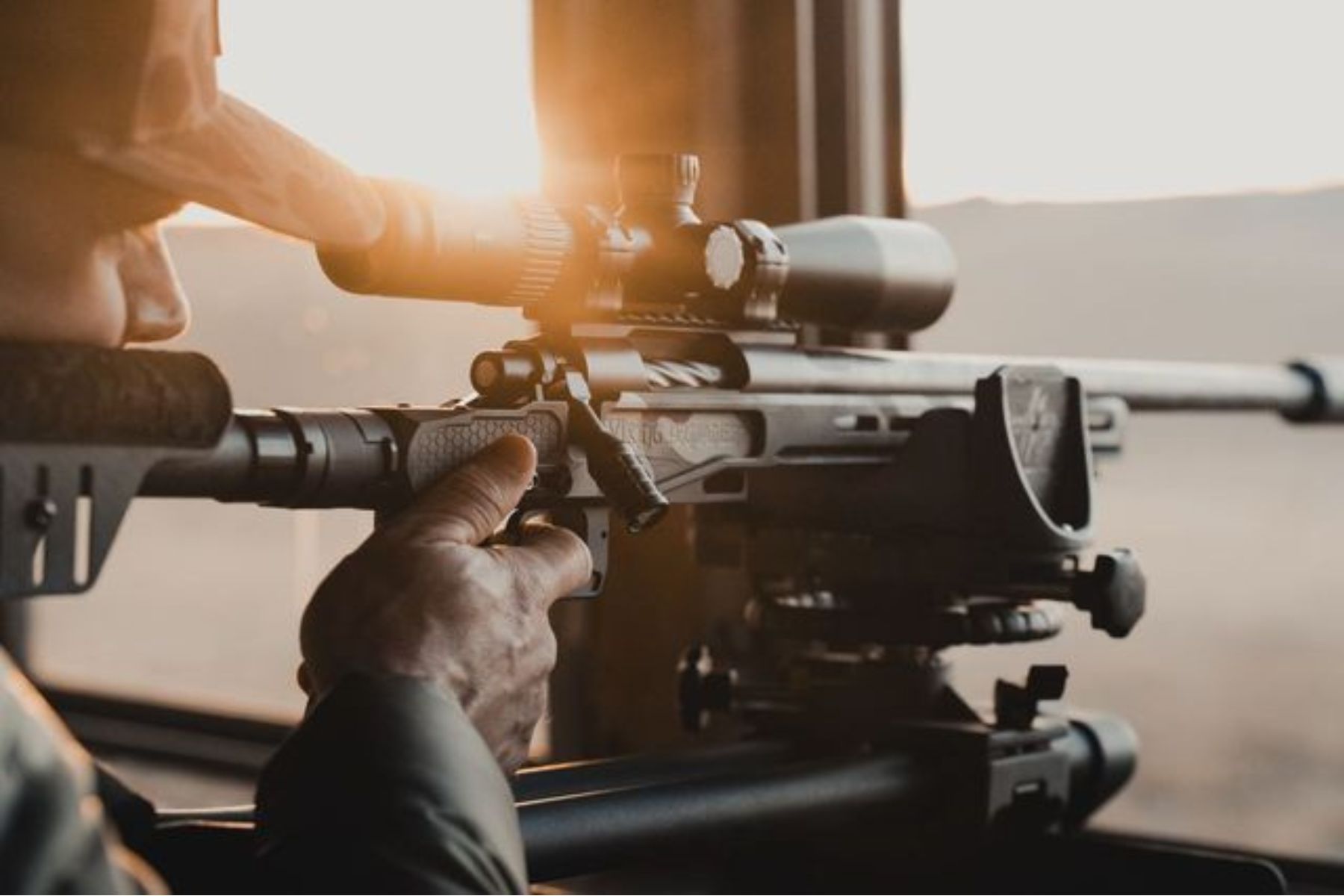
The first afternoon everyone arrived, we headed straight to the range. Rifles from Viking Armament were waiting for us, including 20-inch Apex and 18-inch Road Runner builds chambered in 6mm Creedmoor. Viking is a custom rifle builder out of Grand Junction, Colorado, and they have built a reputation around rifles meant to hunt, not just print groups off a bench.
The rifles were already zeroed and tagged with dope. When it was my turn on the line, I skipped the usual 100-yard confirmation. I asked for my dope at 400, dialed, and broke the shot. Impact landed exactly where it should have. I immediately asked for my 1,000-yard dope, dialed again, and sent another round. Another hit. I turned around and said, “Yep, that’s a Viking Armament rifle.”
That moment set the tone for the rest of the hunt. Everything we used was expected to work when it mattered.
Spike 150 Merino Base Layers
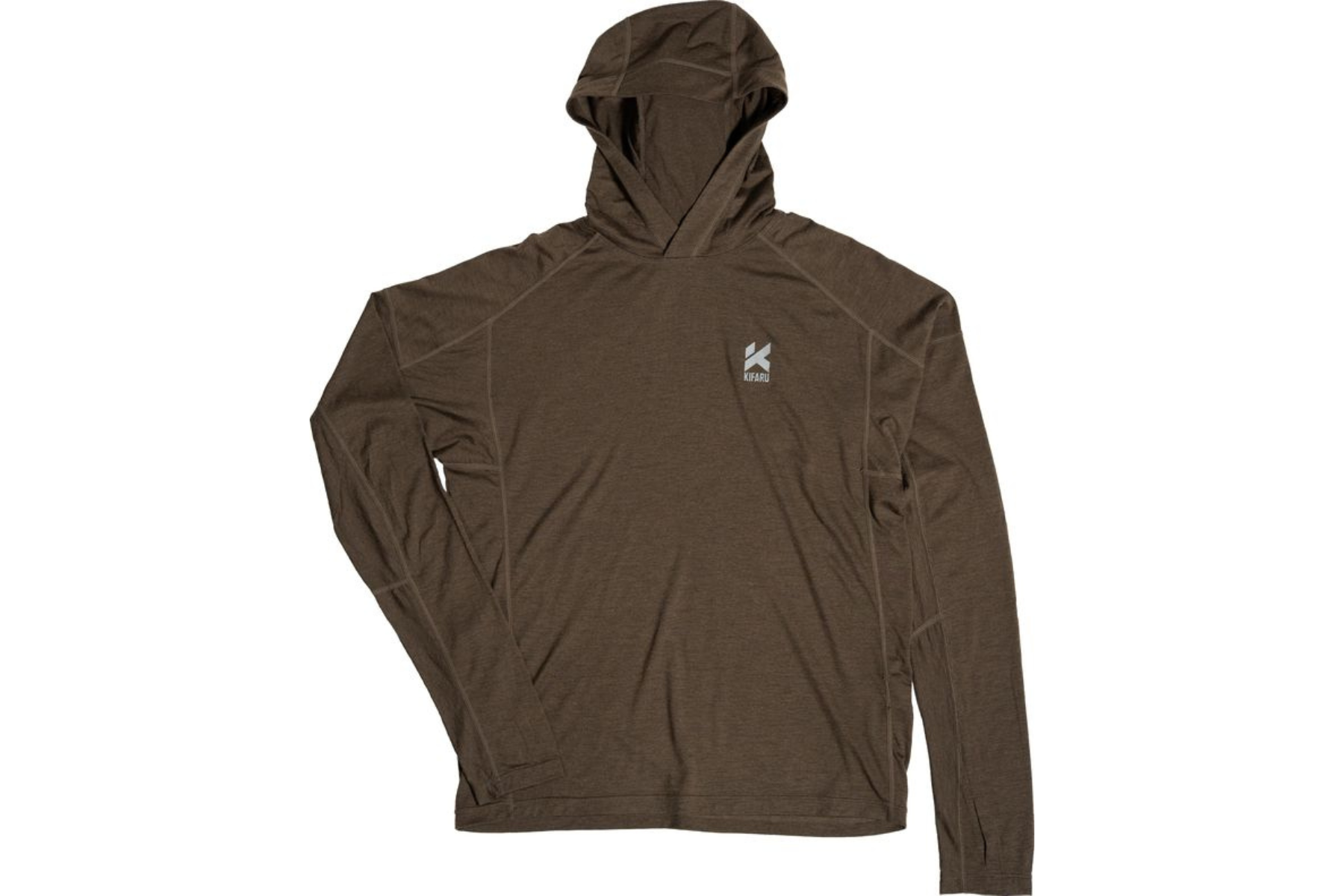
The first morning we stepped into the field, the Spike 150 merino was the layer I forgot about the fastest, which is exactly what you want from a base layer.
Built with ultrafine 17.5-micron merino, it regulated temperature on hikes into the stands. And I never developed that clammy chill once we stopped moving. The athletic cut sat close without restricting movement, and flatlock seams never created pressure points under packs or outer layers.
Field notes: Comfortable during movement and extended static periods. No itch or bunching. Layer disappears once you start hunting.
Roam Crosslayer Grid Fleece
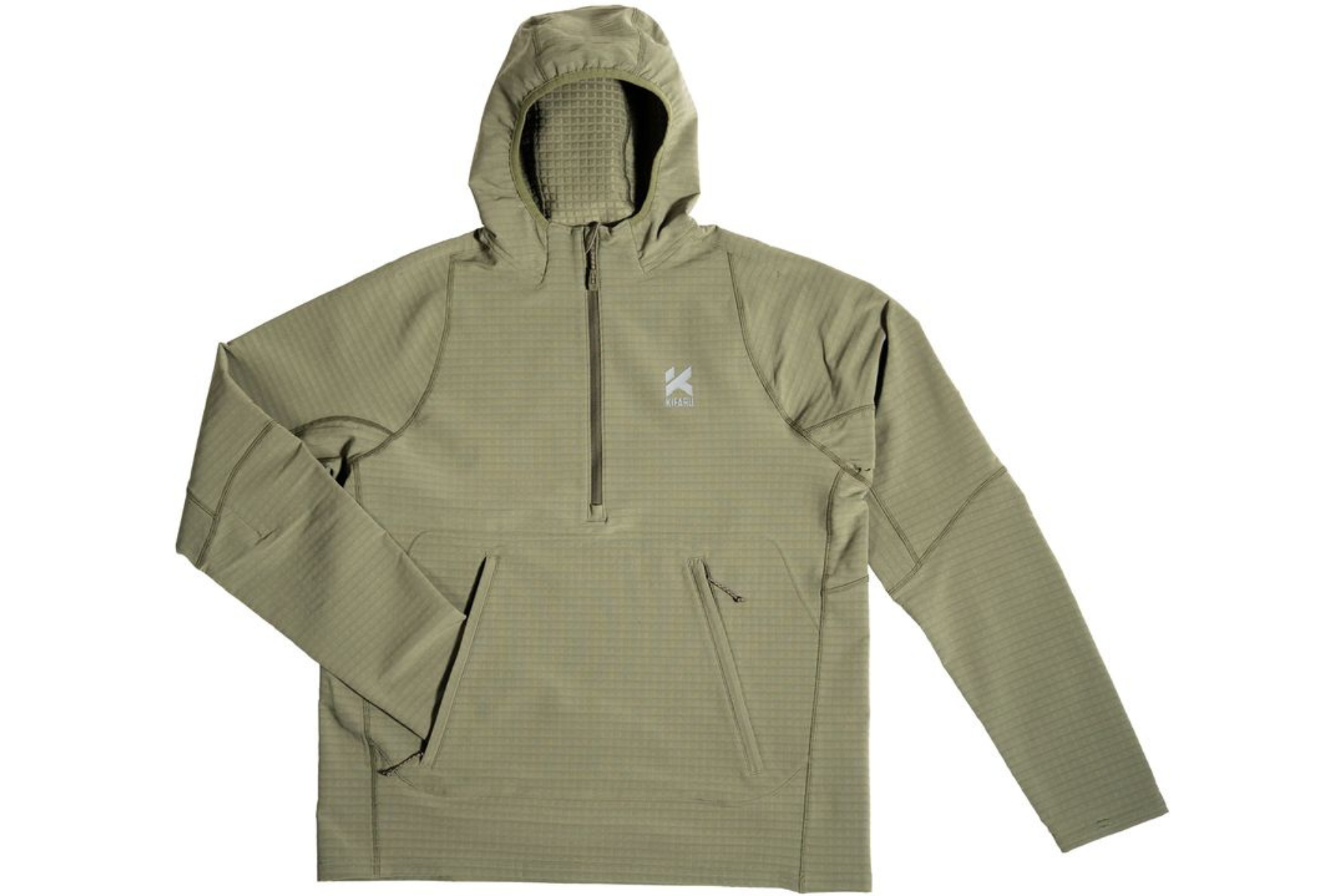
If there was one piece that rarely came off, it was the Roam Crosslayer.
Before we stepped into the field, a Kifaru clothing designer walked us through how the fabric works. He placed the fleece in a chamber, poured water over the face fabric, and then pumped air into the interior. Air moved through the grid fleece backing, while most of the water sat on the outer face fabric.
The woven exterior blocks wind and sheds moisture while the grid interior keeps the piece breathable. It is a more technical and expensive way to make a fleece, but the demonstration made it clear why the piece performs differently from traditional grid layers.
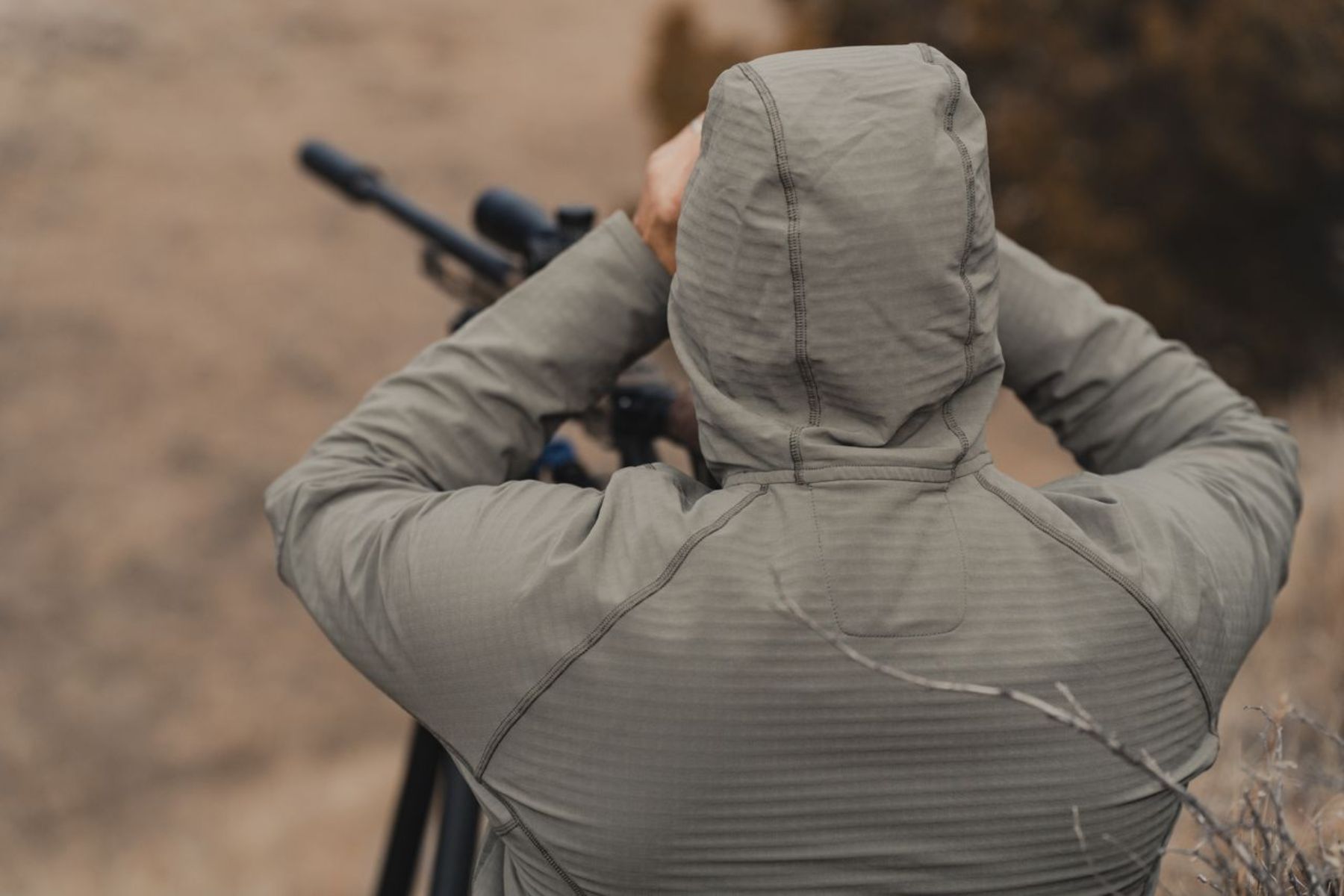
That performance showed up immediately in the field. Wyoming wind usually cuts straight through fleece, but the Roam noticeably reduced wind penetration without overheating during climbs or longer hikes. Several mornings started with wind already ripping across open prairie, and the Roam became the layer that everything else stacked around.
The half zip and kangaroo pouch made it easy to dump heat without stopping. During stands, that pouch also became a place to hide hands from the wind without fumbling with gloves.
Field notes: Strong wind resistance for a fleece layer. Handles temperature swings well. Easy to live in all day.
Passbreaker Pant
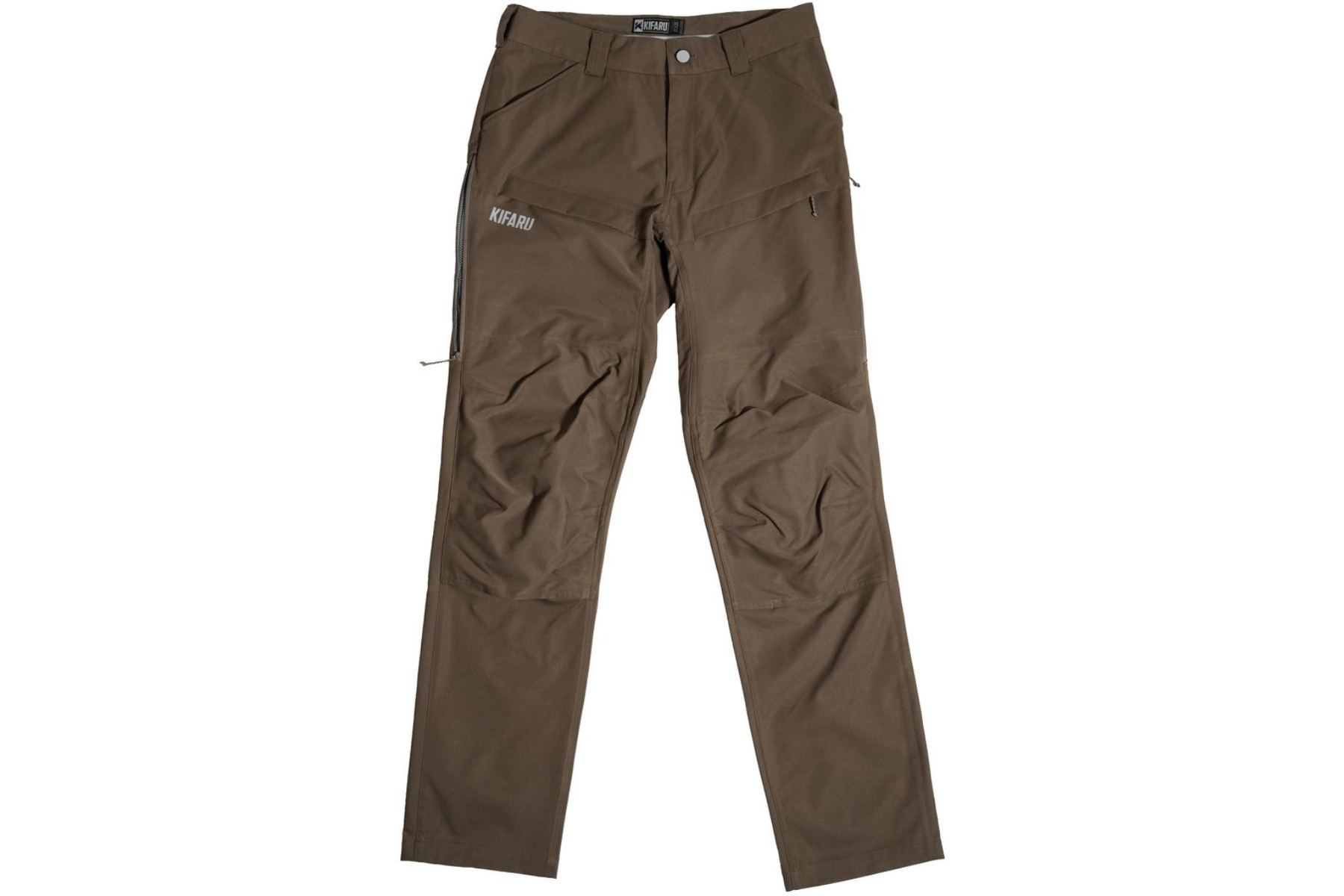
The Passbreaker feels built for high-output hunts. Lightweight, flexible, and clearly designed for movement.
I did not spend as much time running the Passbreaker on this hunt because the wind pushed me toward heavier protection. However, my first impression is that this is the pant for early-season, warmer climates, or for hunts where you spend most of the day moving. The double-weave fabric stretches well, vents help regulate temperature, and the cut stacks easily over base layers.
Field notes: Lightweight without feeling fragile. Built for movement and early-season use. Clean pocket layout and ventilation.
Torlander Pant
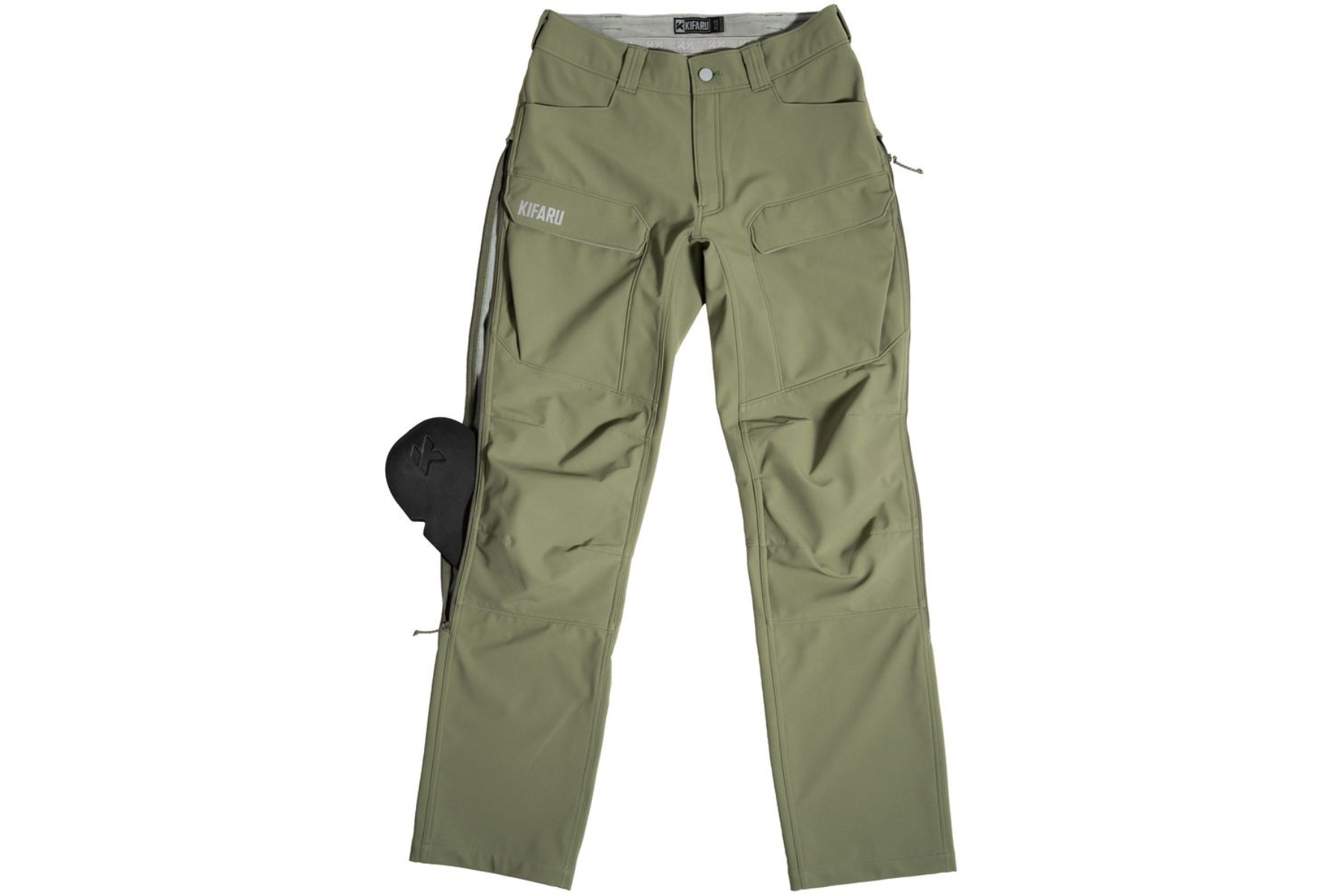
The Torlander pant is what I wore most of the trip.
Wyoming wind makes clothing decisions easy, and the Torlander blocked wind better than anything lighter. Built with a three-layer softshell and fleece backing, it handled long sits, kneeling in snow patches, and crawling into calling positions without feeling bulky while hiking.
Several stands required dropping onto frozen ground or kneeling in snow while calling across open draws. The Torlander handled moisture and abrasion without hesitation. When movement stopped, it held heat. When hiking resumed, it never felt restrictive.
The included knee pads and suspenders reinforce that this pant is built for cold, exposed terrain where staying still is part of the job.
Field notes: Worn the majority of the hunt. Excellent wind protection. Warm without sacrificing mobility.
Pointe Synthetic Puffy Jacket
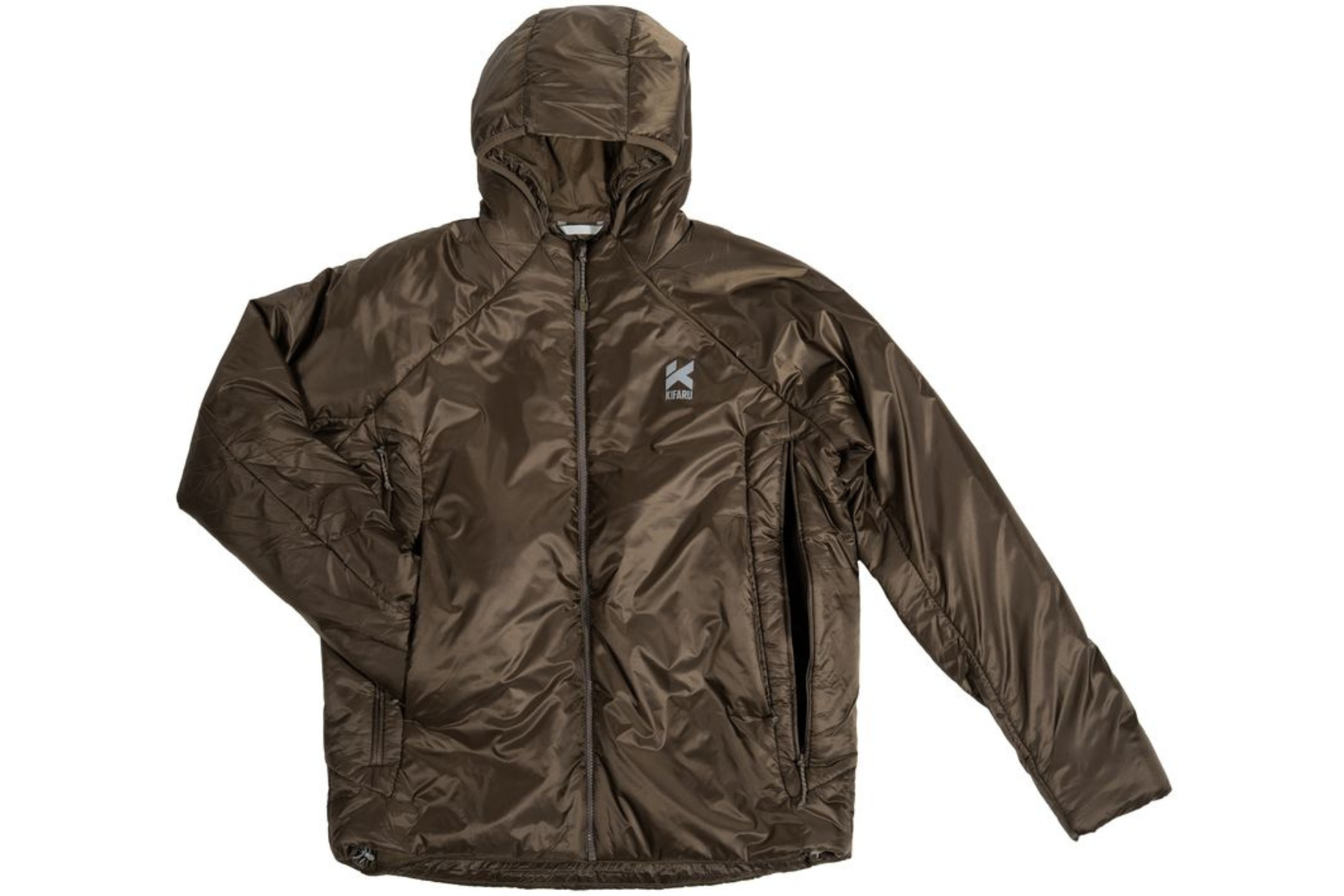
The Pointe synthetic puffy solved one of the most common problems with insulated jackets. Heat management.
Instead of traditional pit zips that run up the arm, Kifaru placed vent zippers starting directly in the armpit and running down along the outside of the torso. That placement makes them easier to reach and easier to use while moving.
During hikes, I could dump heat quickly without slowing down. Once stands were set, I could leave those vents open and slip my hands into the Roam’s kangaroo pouch underneath the jacket, blocking wind while keeping my hands functional. That small design detail made a noticeable difference during transitions between movement and stillness.
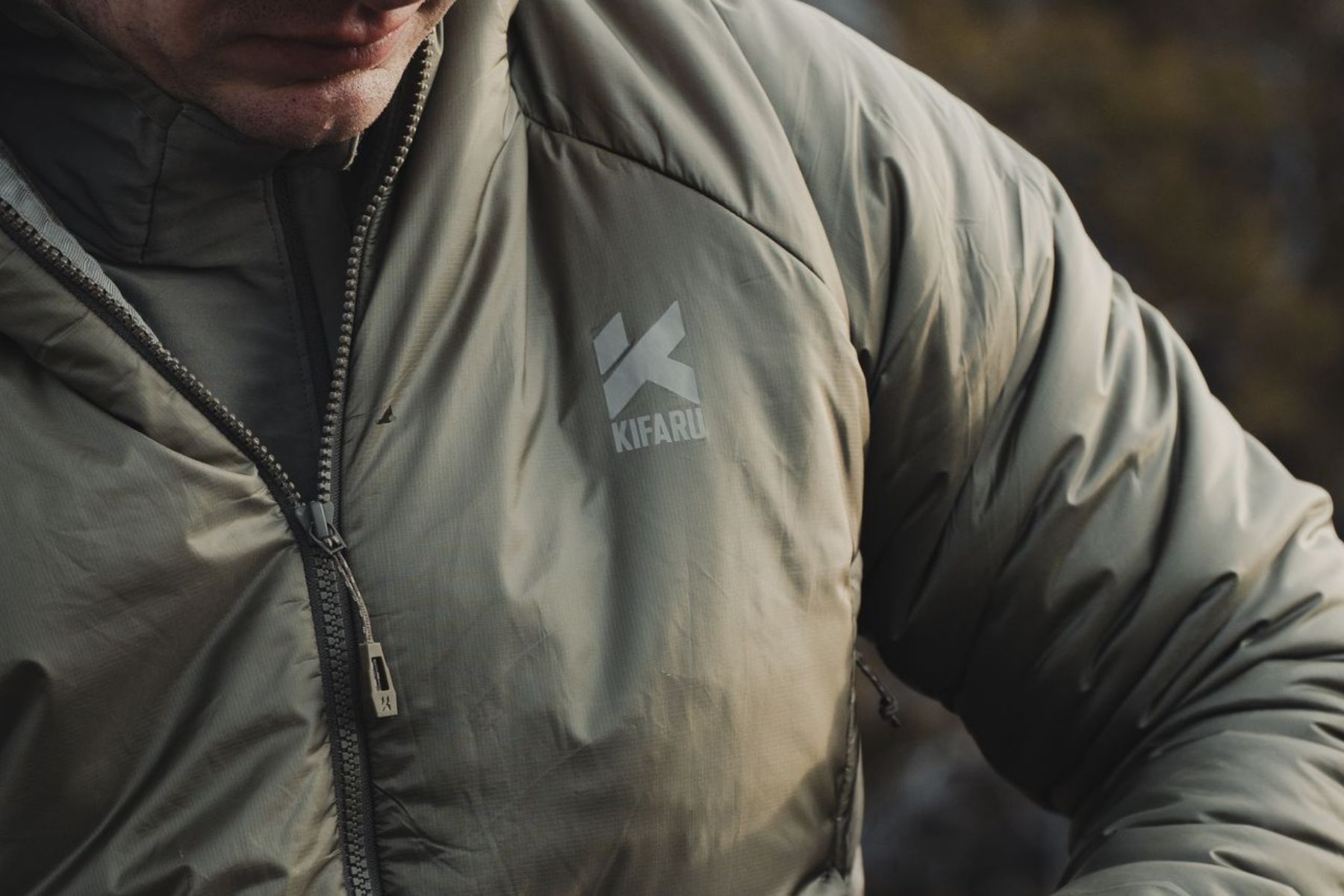
The PrimaLoft Gold insulation maintained warmth in wind and layered cleanly without bulk.
Field notes: Vent placement is intuitive and easy to use. Balances warmth and breathability well. Layers cleanly over midlayers.
Final Thoughts
Predator hunting has a way of revealing gear problems quickly. You move hard, stop on a dime, and spend long stretches exposed to wind. Equipment either keeps up or becomes a distraction.
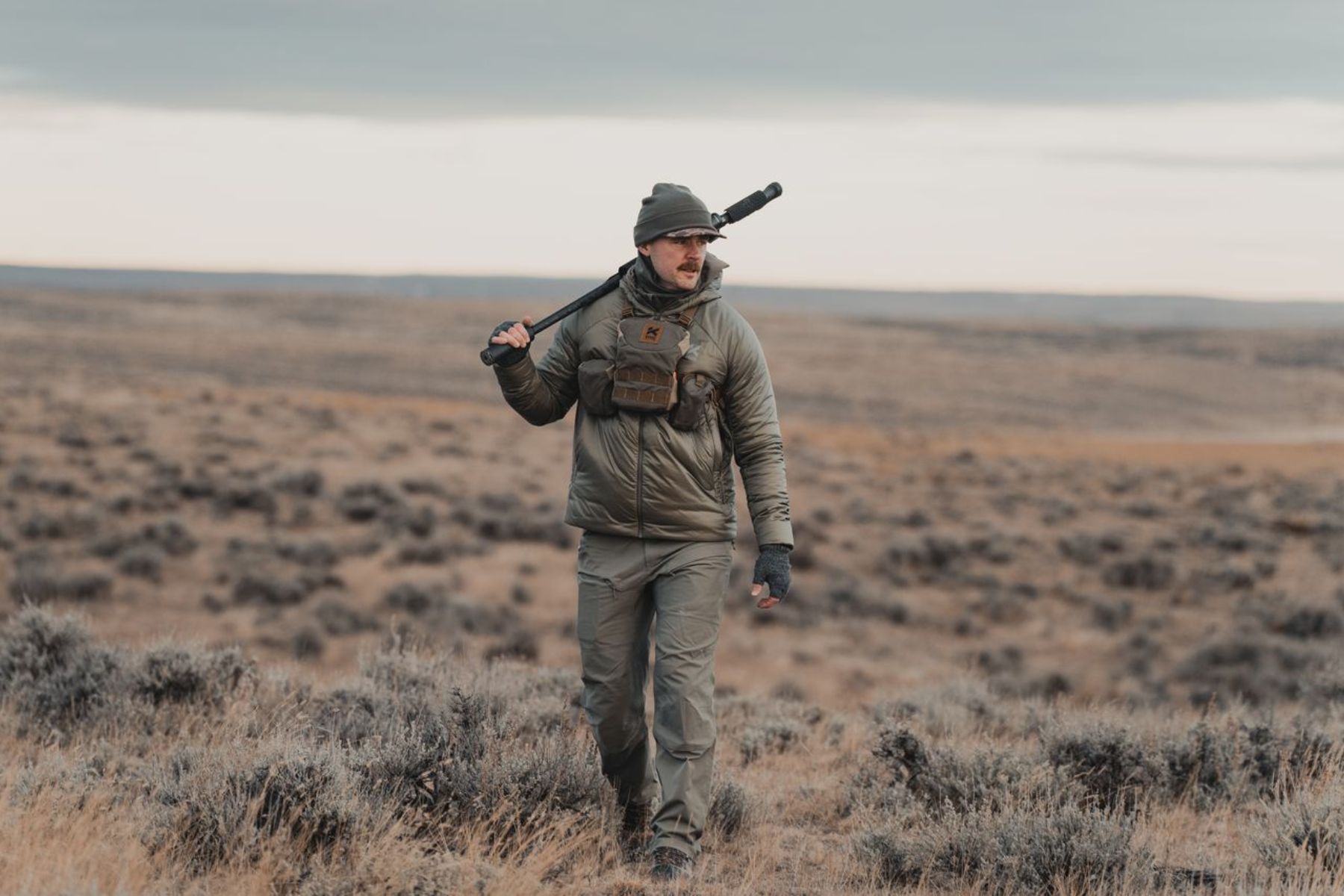
Across several days in Wyoming, Kifaru’s apparel system stayed out of the way and allowed me to focus on the hunt. The wind resistance, venting design, and layering compatibility felt purpose-built for the way western hunters actually move through terrain.
Spending time behind rifles from Viking Armament reinforced a similar approach to gear design: equipment built around field reliability instead of controlled environments.
After time spent running the system in Wyoming wind, it feels built for the kind of hunt where conditions rarely cooperate and gear needs to work without much thought.
For more information, visit kifaru.net.
Leave a Reply