Choosing the right hunting bullet has never been more important, or more confusing. Today’s hunters face a lineup that includes traditional cup-and-core soft points, high-tech bonded bullets, monolithic copper designs, and even cast bullets with wide meplats that perform far differently than their jacketed cousins.
While cartridge choice gets most of the attention, the bullet is the true tool of terminal performance. This guide breaks down every major hunting bullet design, old and new, in clear, practical terms for real-world hunters.
When Does Ballistic Coefficient Matter?
Ballistic coefficient (BC) begins to matter, for most centerfire rifles, when the target is at 200–250 yards. Shot of that distance, trajectory differences between high-BC and low-BC bullets are minor.
But First, What is Ballistic Coefficient, Exactly?
BC is a numerical value describing how efficiently a bullet moves through the air determined by a given bullet’s shape and mass. A high-BC bullet is typically long, narrow, and heavy with a tip of sharply pointed polymer and a boat-tail base.
A recognizable low-BC bullet is a flat-nose soft-point .30-30 Winchester projectile, whereas a 6.5 PRC would be a typical high-BC bullet.
A higher BC bullet encounters less air resistance in flight, which allows it to retain more velocity and energy on its way to the target. That means flatter trajectories and less wind drift, which in turn translates to a more consistent point-of-impact at greater distances.
Essentially, a high-BC bullet is more forgiving when it comes to environmental factors at longer ranges. Numerically, a high-BC is in the 0.55 (G1) to 0.80+ (G1) range, while a low-BC falls in the 0.15 to 0.30 (G1) range. You may see BC numbers labeled as G1 or G7 depending on the drag model used to calculate the figure.
When It Matters to Hunters and Why
Beyond the 250-yard threshold, air drag begins slowing low-BC bullets rapidly enough that drop, wind drift, and terminal velocity loss become significant.
Wind drift is the real separator: at 300 yards, a high-BC bullet may experience only 50% of the drift that a similar low-BC bullet would in the same crosswinds.
BC also determines how far a bullet stays above its minimum expansion velocity, which is critical for long-range hunting bullets like the ELD-X or Terminal Ascent.
At typical woods ranges, inside 150–175 yards, BC is almost irrelevant; at Western hunting distances, it becomes one of the most important ballistic attributes.
What is a Meplat?
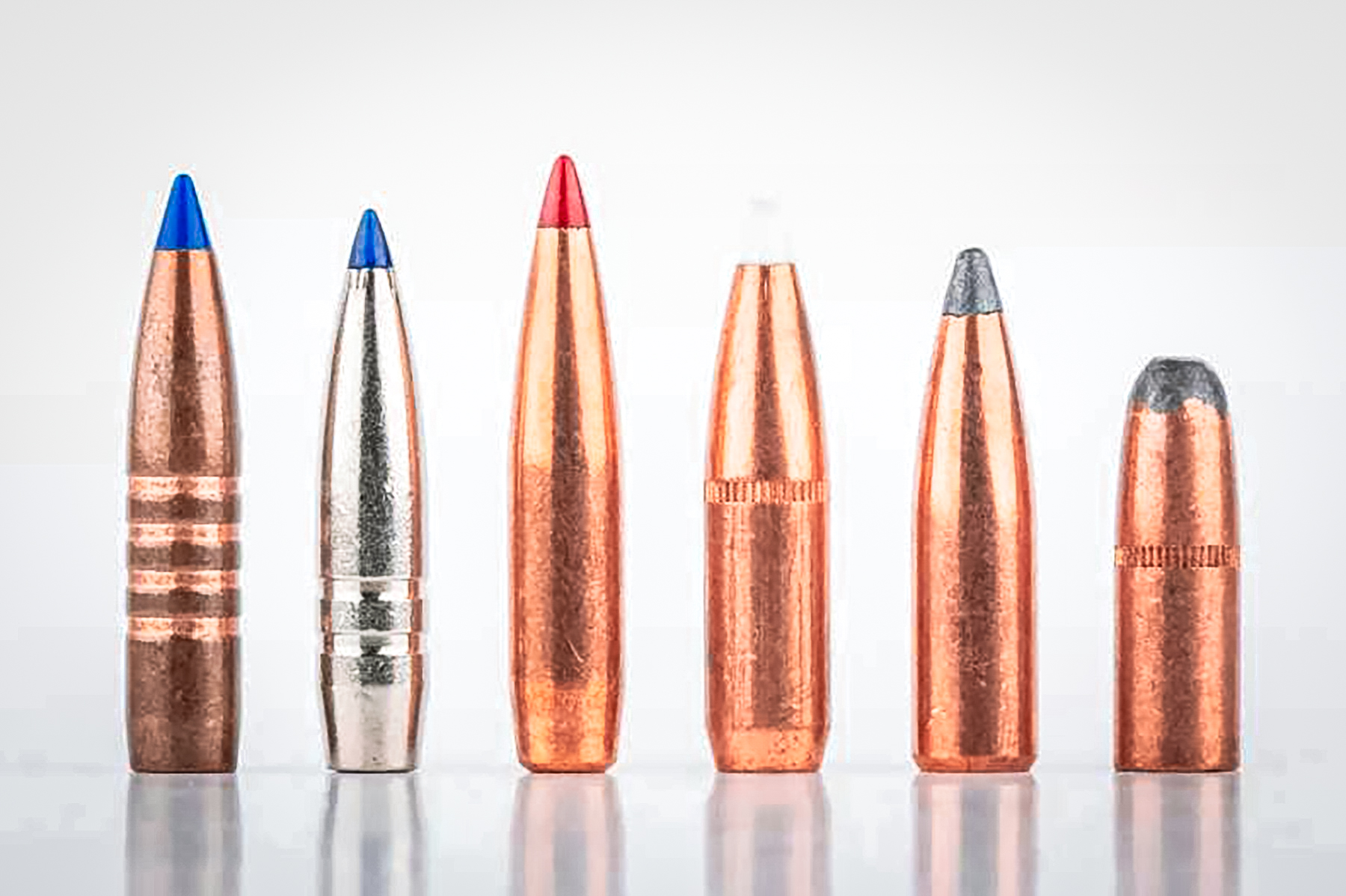
The meplat is the area at the very tip of a bullet, where the nose is either truncated (a large meplat) or comes to a sharp point (small meplat). The smaller the meplat, the less drag a projectile will experience and the higher its ballistic coefficient will be.
A larger meplat increases air resistance on the bullet but promotes more reliable expansion and energy transfer on impact with the target.
That’s why match bullets will typically have a sharp “spitzer” bullet tip or a pointed polymer insert, and traditional hunting bullets will have a soft point or a flat nose. For hunters, the meplat represents the balance between bullet efficiency in flight and terminal efficiency on an animal.
Types of Bullets and Their Best Hunting Uses
Cup-and-Core Soft Points
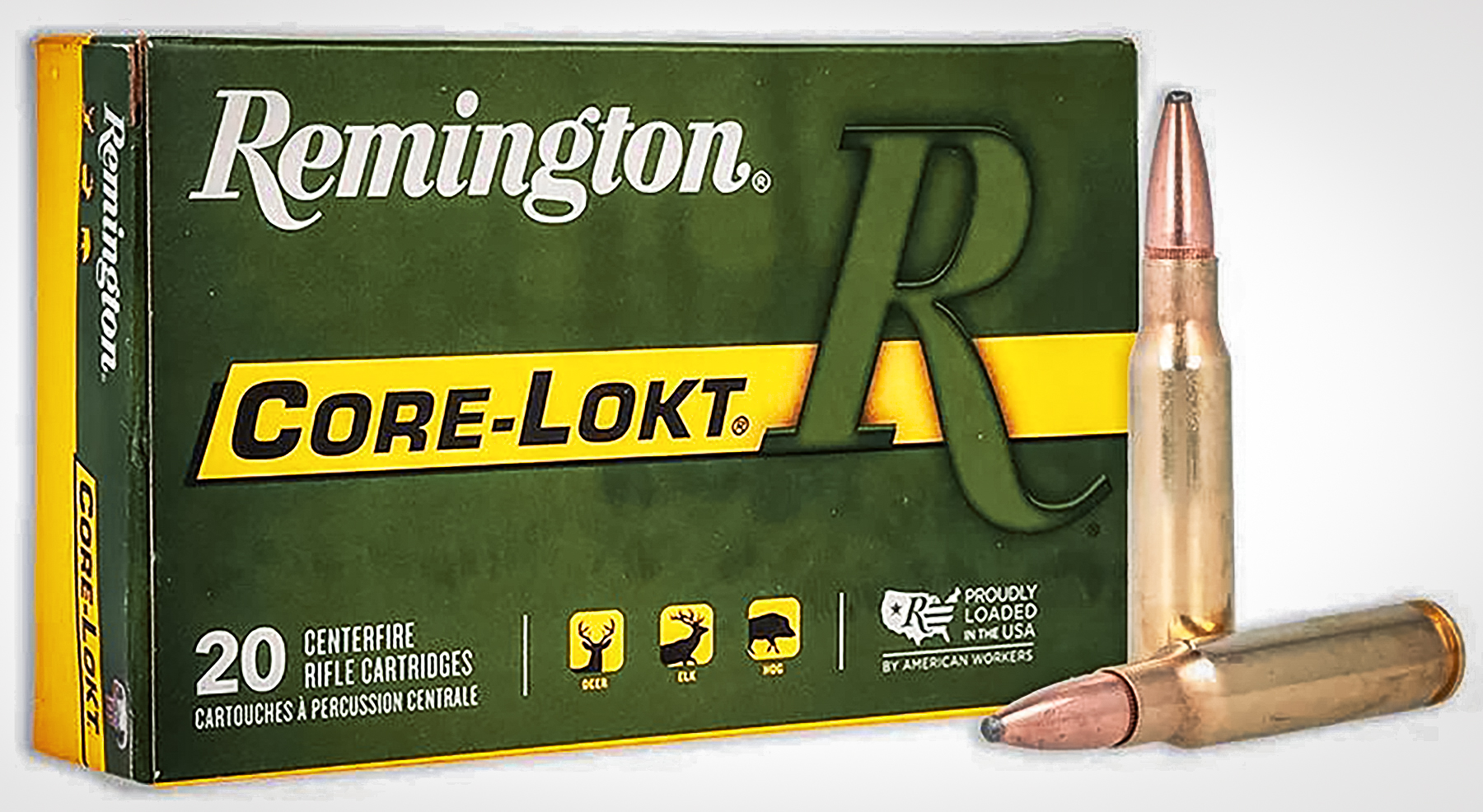
Classic soft points remain the most widely used hunting bullets in North America, and for good reason. These designs pair a lead core with a drawn copper jacket, giving reliable mushrooming at conventional hunting velocities.
Performance is straightforward: the nose peels back, the bullet expands 1.6 to 2 times its caliber, and it holds together well enough for a clean pass-through on deer and similar game. They’re affordable, predictable, and deadly—but not built for smashing heavy shoulder bones at extreme impact speeds.
Best Use: Whitetail, mule deer, pronghorn.
Bonded Bullets
Bonded bullets are the evolutionary step above traditional lead-core soft points. Chemical or mechanical bonding locks the core and jacket together, preventing the separation that sometimes plagues standard cup-and-core designs.
The result is controlled expansion, deep penetration, and weight retention often exceeding 90%. They shine in cartridges that generate high muzzle velocities and in hunts where quartering shots or large animals are common.
Best Use: Mule deer, hogs, elk, moose, African plains game.
Monolithic Copper Bullets
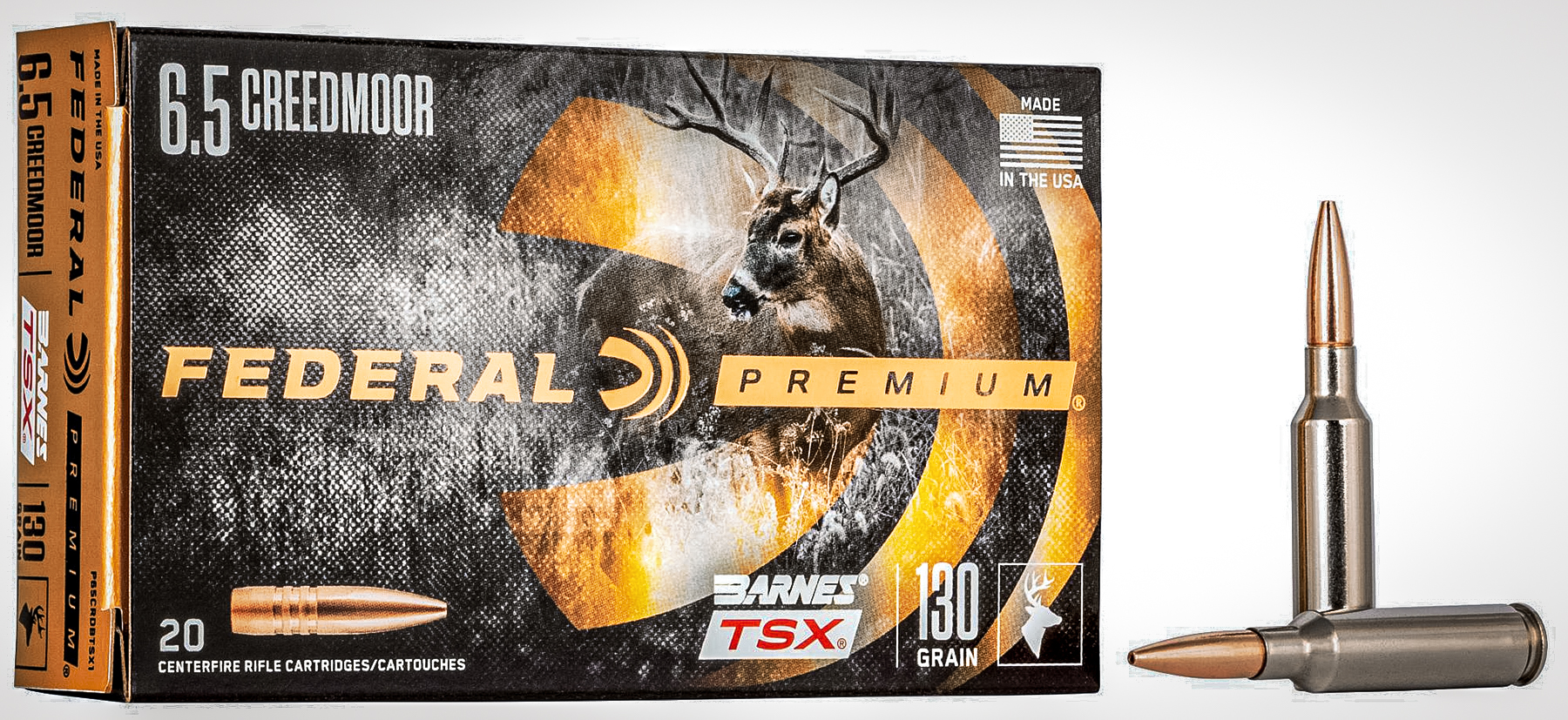
In states or regions where lead-free ammunition is mandatory, monolithic copper bullets rule the roost. These all-metal bullets expand via pre-cut petals, driving straight and deep with nearly 100% weight retention.
Their toughness makes them exceptional bone-breakers. The one caveat is velocity: monolithic bullets tend to perform best with faster impact speeds, so hunters using slower cartridges must pay attention to range.
Best Use: Elk, moose, big hogs, black bear; ideal for lead-restricted areas.
Partition-Style Bullets
Few bullets enjoy the legacy of the dual-core partition design. The front core expands quickly, dumping energy early, while a rear core — protected by a jacket “partition” — drives on for deep penetration.
This dual-stage performance makes them extremely versatile across a wide range of velocities and shot angles.
Partitions have taken nearly every game animal on earth, and they continue to be among the most trustworthy all-around big-game bullets available.
Best Use: All big game from deer through elk and moose.
Long-Range Tipped Bullets
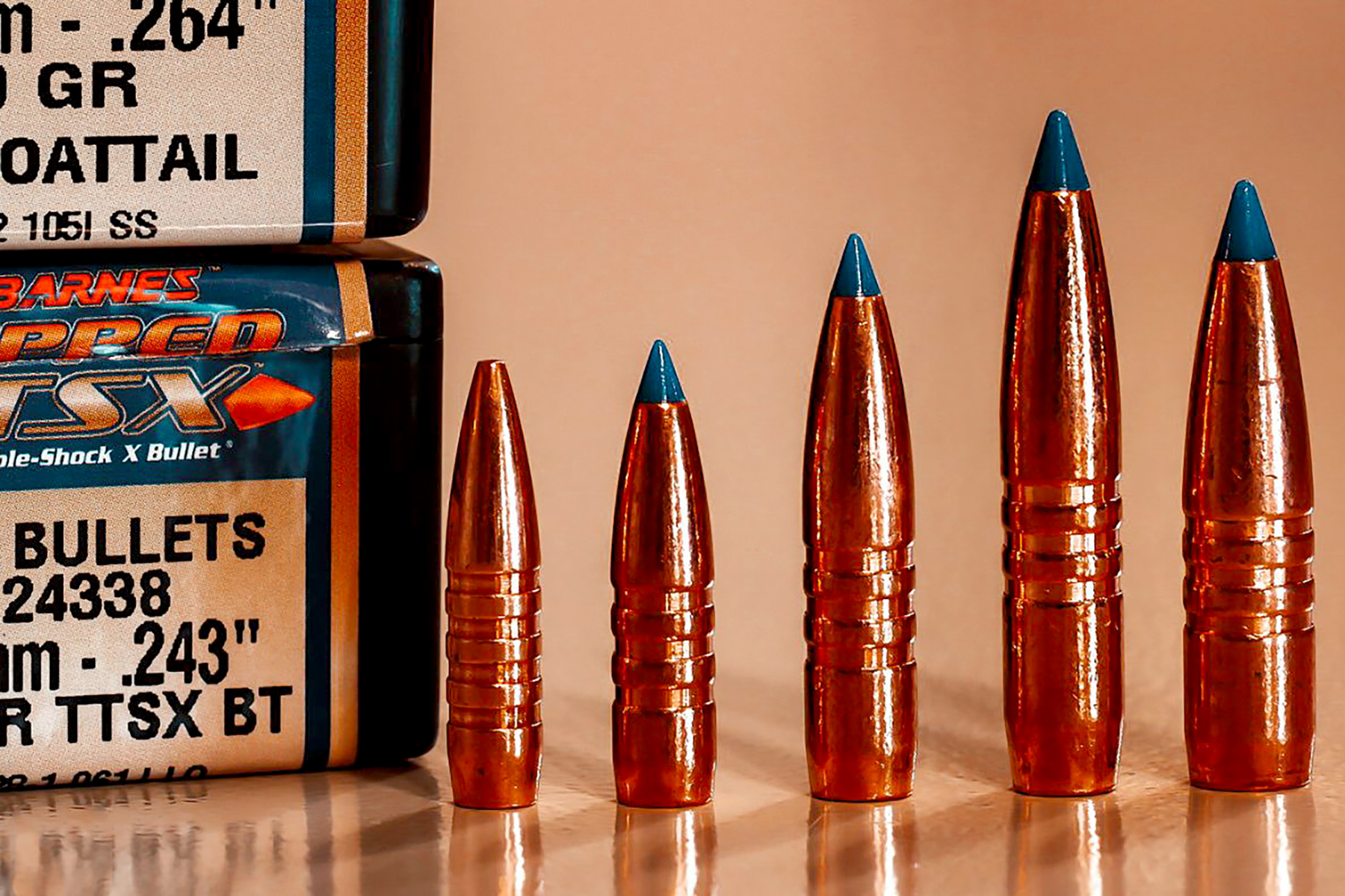
The rise of long-range hunting has propelled high-BC tipped bullets into mainstream use. These bullets typically feature a sleek profile, polymer tip, and thin jacket forward section to ensure expansion at low impact velocities.
Designs like the ELD-X, Terminal Ascent, and GameChanger maintain velocity well past conventional ranges, giving hunters flatter trajectories and improved wind resistance. While not all tipped bullets are suitable for very large animals, the tougher varieties are excellent for western big game.
Best Use: Long-range mule deer, pronghorn, Coues deer, and elk with heavier constructions.
Fragmenting Varmint Bullets
When the job calls for instant, explosive performance, varmint bullets deliver. Designed to fragment violently on impact, these thin-jacketed projectiles minimize ricochet risk while maximizing terminal effect on small predators and varmints.
Their rapid disruption makes them inappropriate—and unethical—for use on deer or larger animals.
Best Use: Coyotes, foxes, prairie dogs, groundhogs.
Traditional Round-Nose Cast Bullets
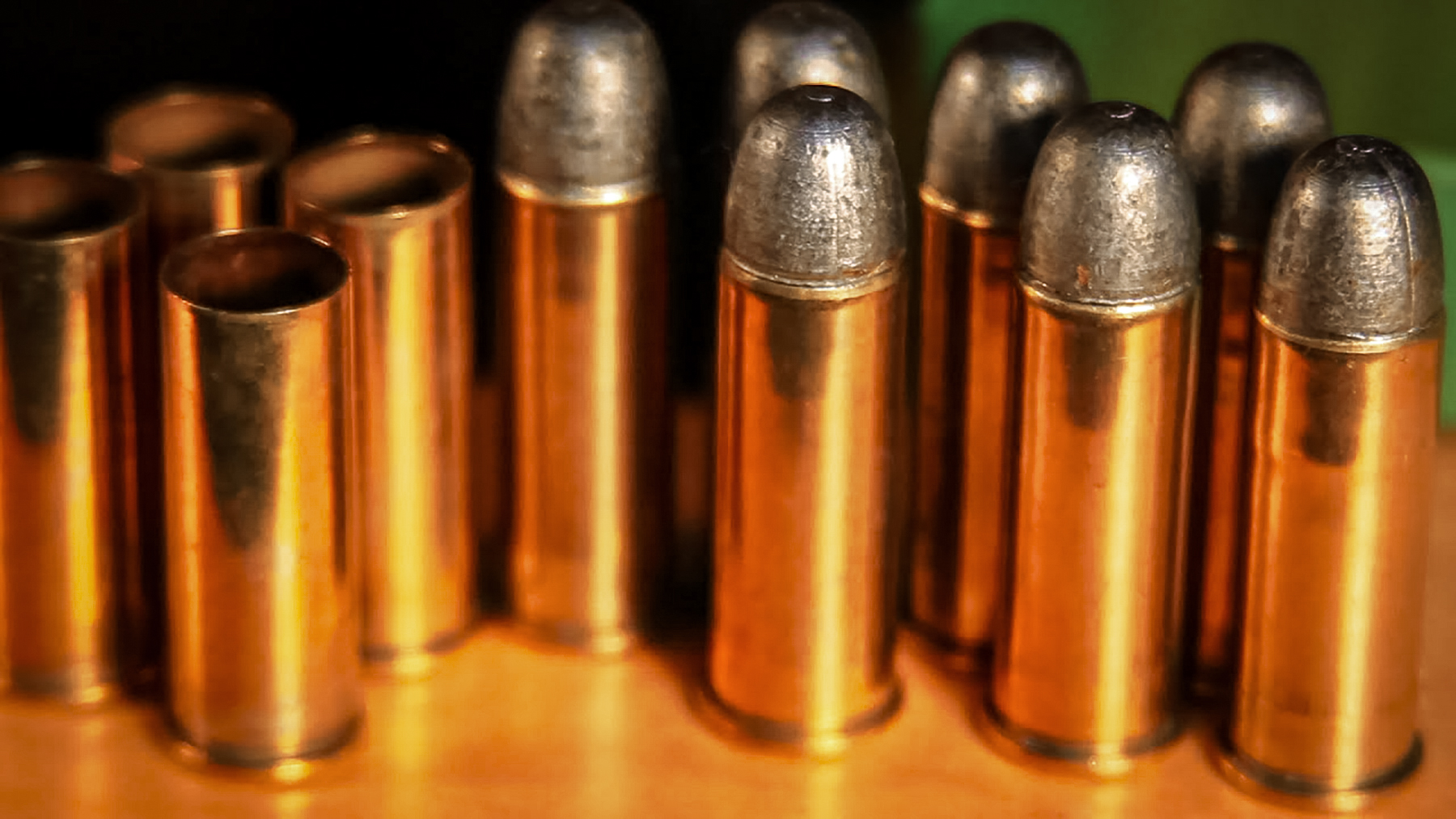
Cast bullets remain a cornerstone of big-bore rifles, leverguns, and revolvers. The round-nose style is historically common and provides deep penetration with minimal meat loss when cast from soft alloys.
Unless the alloy is very soft, expansion is minimal; these bullets kill through straight-line penetration and modest tissue displacement. They’re ideal for small to medium game where controlled performance at modest velocity is preferred.
Best For: Small game, medium game, older lever gun calibers, black-powder rifles.
Wide-Flat-Nose (WFN/LFN/SWC) Cast Bullets
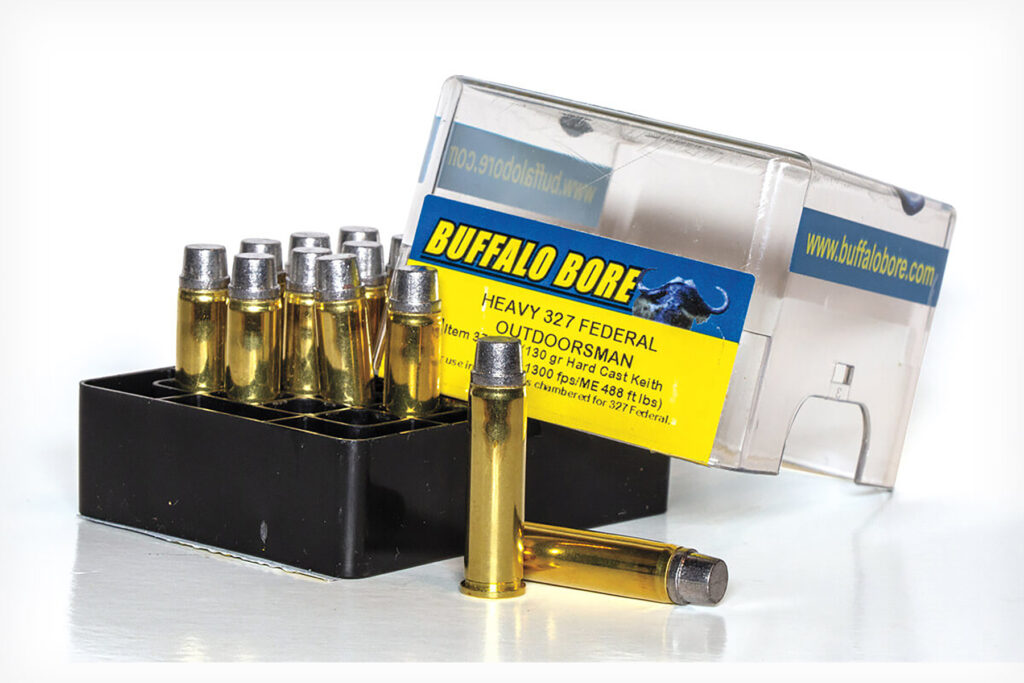
Among cast bullets, the wide-flat-nose (WFN) designs are unmatched for terminal effect. Their large meplats (often 65–75% of bullet diameter) create an outsized permanent wound channel, even at low velocity. These bullets don’t expand; their crushing frontal area does the work.
They penetrate straight, break heavy bone reliably, and remain the preferred design for hunters pursuing large or dangerous game with revolvers or big-bore rifles.
Best For: Whitetail through moose, large hogs, brown bear; revolver and lever gun specialists.
Cast Hollow-Point Bullets
Cast hollow-points offer jacketed-bullet-like expansion at handgun velocities when matched with the correct alloy. A soft alloy (BHN 8–12) allows controlled mushrooming from 900 to 1,500 fps, making these bullets ideal for deer-sized game where both entrance and exit wounds aid in blood trailing.
They lose some penetration compared to wide-flat-nose solids but deliver quick, humane kills within reasonable distances.
Best For: Whitetail, hogs, predators; handgun hunting inside 150 yards.
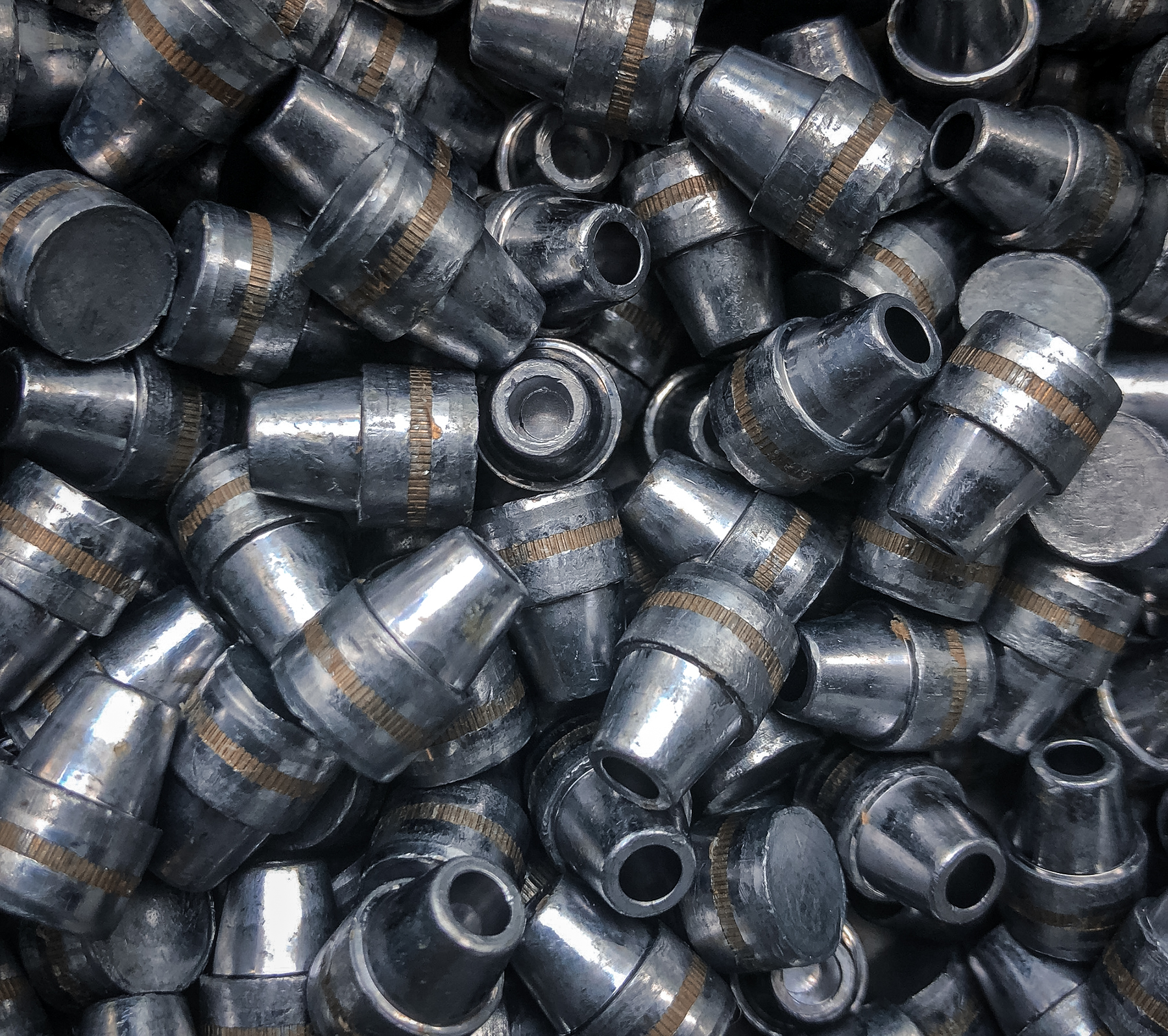
Hard Cast Penetrator Bullets
Hard cast bullets — typically BHN 18 to 22 or higher — are engineered for maximum penetration with zero expansion.
A wide meplat ensures tissue displacement, while the hard alloy resists deformation even after striking heavy bone. These bullets behave much like monolithic solids and are a staple of big-bore revolver hunters and guides in bear country.
Best For: Elk, moose, bison, brown/grizzly bear, buffalo (where legal).
Barnes Harvest: A Cup-and-Core “Deer Load” in a Barnes Box
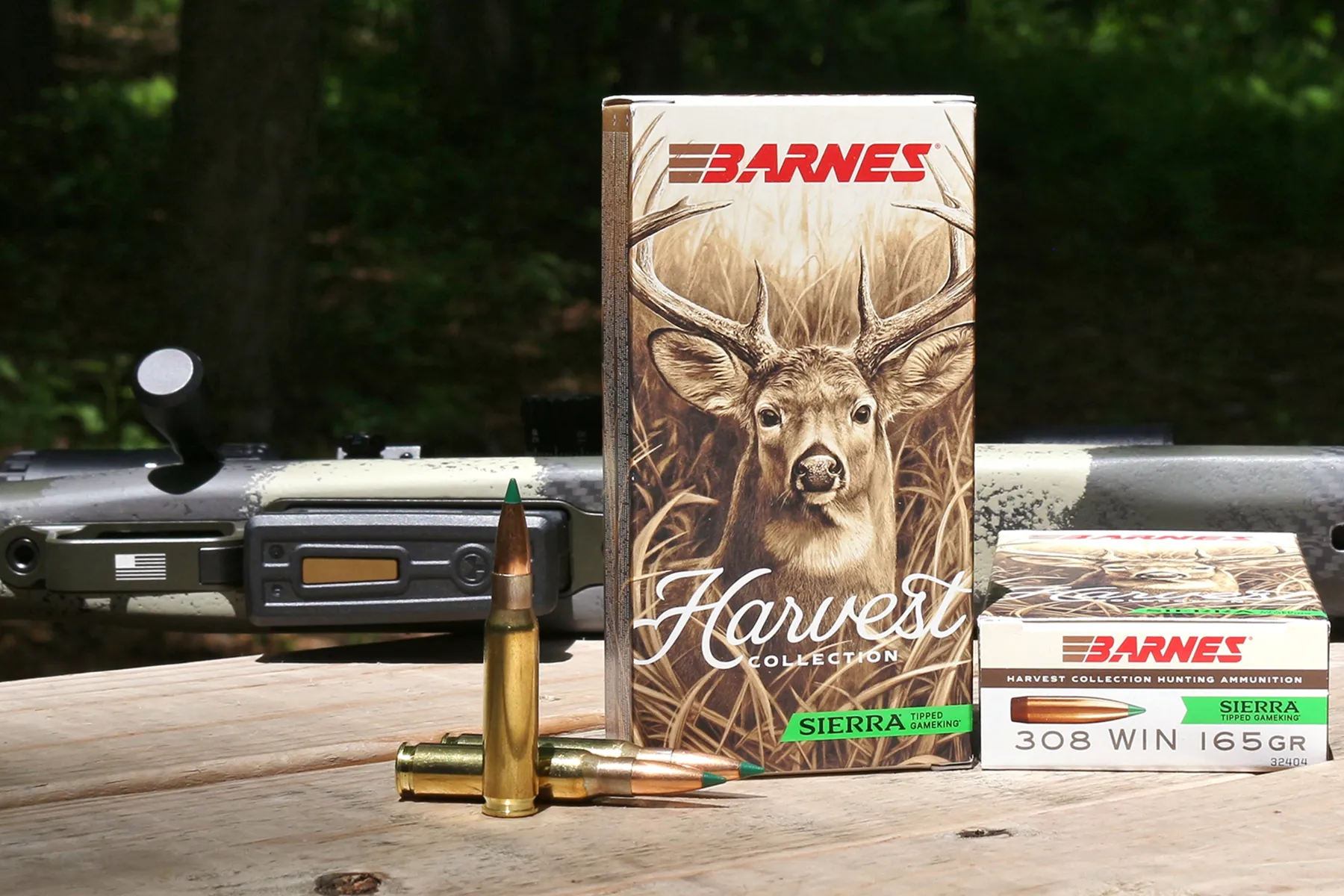
When Barnes announced its new Harvest Collection hunting ammo, a lot of hunters assumed it was just another spin on the company’s famous all-copper bullets. It isn’t. Harvest is built around Sierra’s Tipped GameKing (TGK): a traditional lead-core, cup-and-core hunting bullet with a polymer tip and boattail profile.
In other words, this is not a solid-copper TSX or TTSX. It’s a classic tipped cup-and-core GameKing variant — the same general family Sierra markets as GameChanger — optimized for thin-skinned big game like whitetails, mule deer, and pronghorn.
That design choice does two important things:
It aligns the bullet with the “cup-and-core/tipped long-range” category explained above, not the monolithic-copper category. TGK uses a lead core and copper jacket with a polymer tip over a hollow cavity in the core.
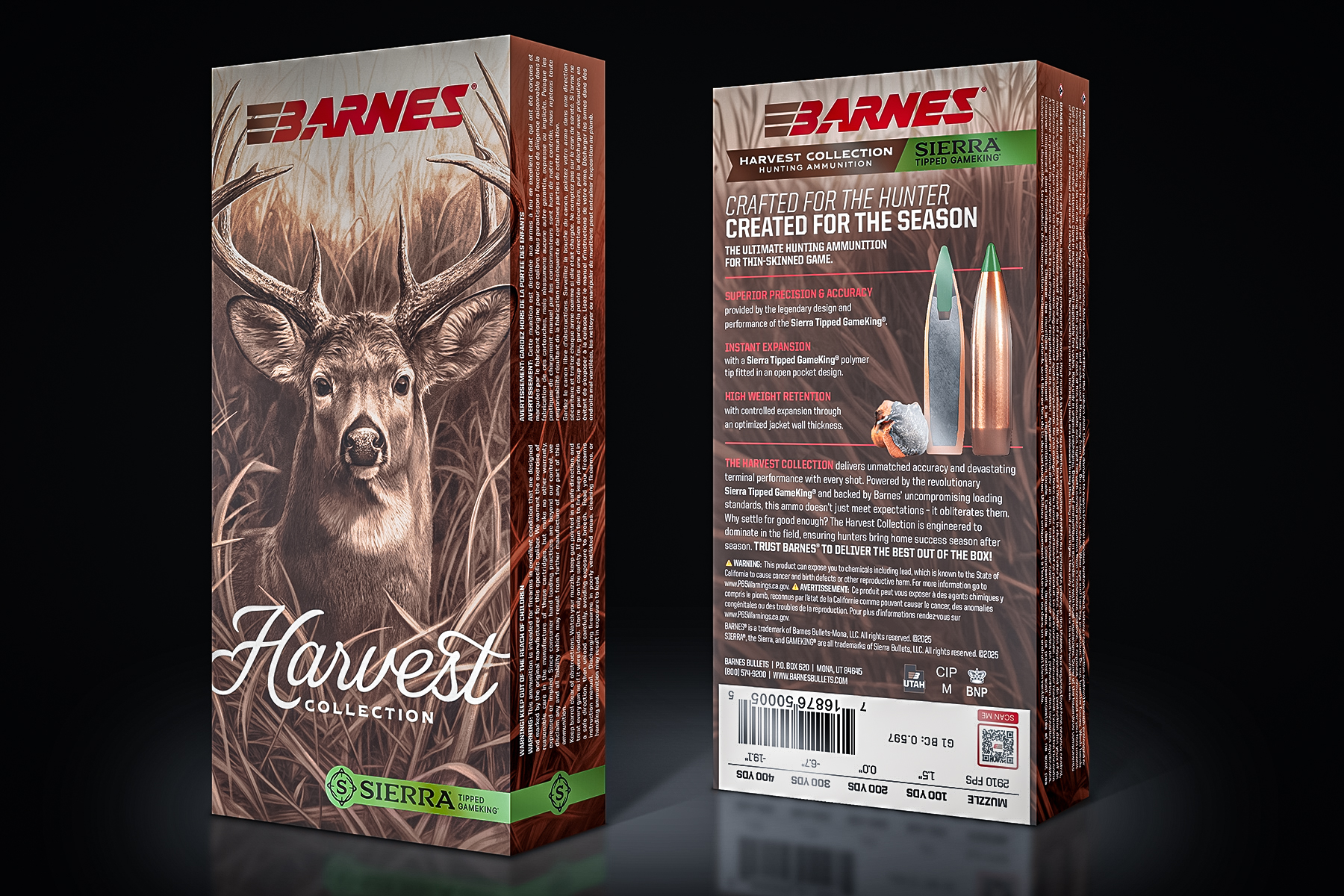
On impact, the tip is driven back into that cavity, initiating rapid expansion and a broad wound channel: exactly the behavior we expect from modern tipped cup-and-core deer bullets.
It lets Barnes hit a whitetail-market price point that pure copper can’t touch. Solid-copper bullets require more expensive material and more demanding machining.
By loading Sierra’s TGK, Barnes can offer a “Barnes-level” loaded round at a lower cost than VOR-TX copper ammo, while still delivering match-grade-leaning accuracy and lethal terminal performance on thin-skinned game.
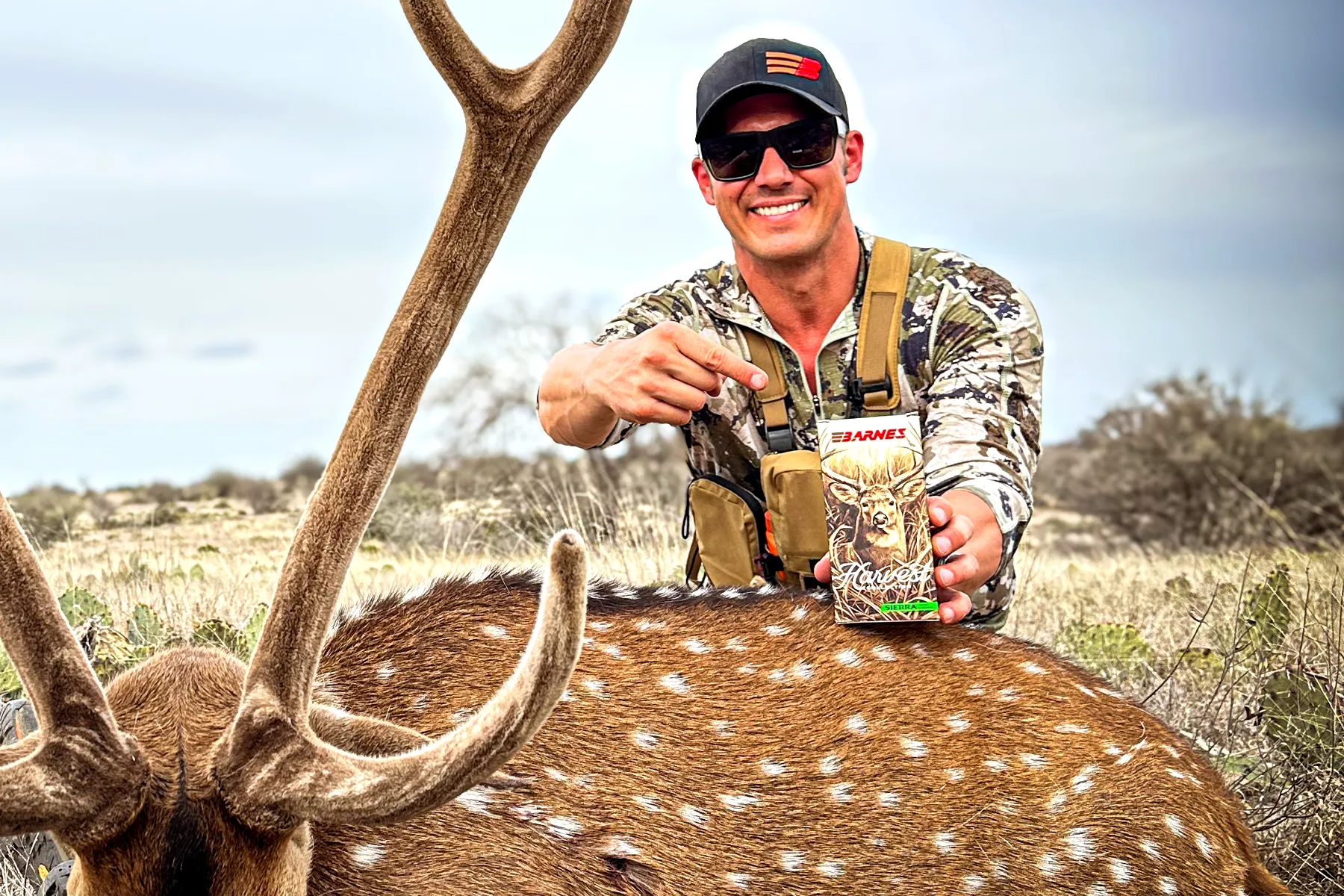
Barnes and Sierra are explicit that Harvest is aimed squarely at the deer hunter who wants a premium, but “consumer-friendly,” price. In terms of the categories above, Harvest fits here:
- Bullet Type: Tipped cup-and-core soft point (polymer-tipped GameKing)
- Best Game: Whitetail, mule deer, pronghorn and similar thin-skinned species
- Not Ideal For: Very large or thick-skinned game (elk, moose, big bears), where bonded, monolithic, or partition-style bullets shine
Several of the Harvest loads, like the 6.5 Creedmoor 140-grain TGK and 6.5 PRC 145-grain TGK, feature respectable G1 BCs around the mid-.5s.
LEARN MORE ABOUT BARNES HARVEST COLLECTION AMMO HERE
At typical whitetail distances (inside about 250 yards), you’re mostly buying reliable expansion and a clean wound channel. As ranges stretch toward 300–400 yards, that BC helps keep the bullet above its expansion threshold and tightens wind drift: exactly what a modern deer bullet is supposed to do.
Barnes Harvest is Barnes’ deer load, not their elk hammer. It’s a smart, cost-effective way to put a proven Sierra Tipped GameKing into a well-built Barnes cartridge for hunters who chase thin-skinned game more often than they chase moose and grizzlies.
Leave a Reply